Reading the Scent Profile

Your nose becomes one of your most valuable tools in managing an indoor composting system. The aromas emanating from your bin tell a story about what's happening inside, revealing the health of the microbial community and the balance of environmental conditions.

Learning to interpret these scents allows you to catch issues early and make adjustments before problems develop. A healthy system has a distinct, pleasant aroma that reflects active decomposition without unpleasant odors.


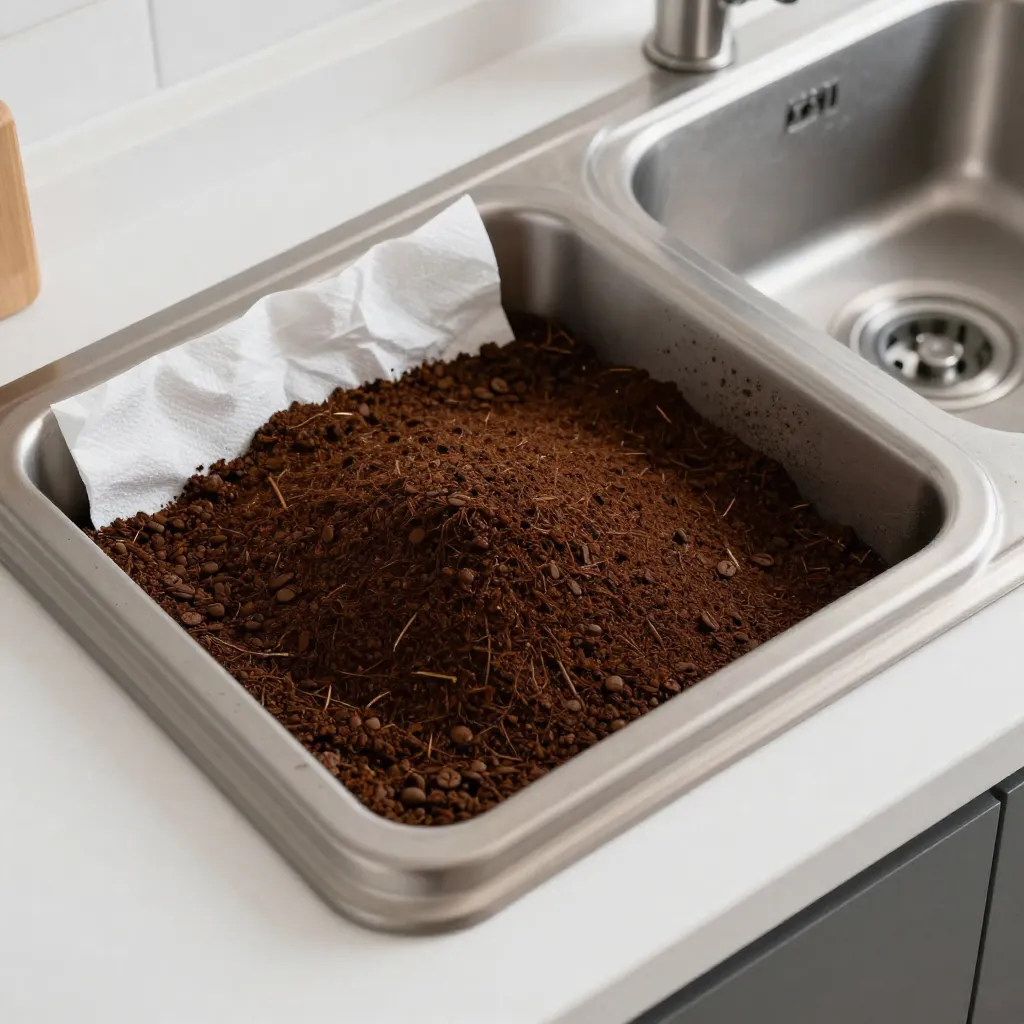
Healthy soil texture and aroma

The Scent of Healthy Decomposition

A well-functioning composting system produces an earthy, mushroom-like aroma that many describe as reminiscent of a forest floor after rain. This scent indicates active aerobic decomposition, where beneficial microorganisms are breaking down organic matter efficiently.

The presence of this earthy fragrance suggests proper moisture levels, adequate aeration, and a balanced carbon-to-nitrogen ratio. It's the olfactory signature of a thriving ecosystem working as intended.

Healthy Scent Profile

Primary Note
Earthy, Mushroom-like

Indicates active aerobic decomposition and healthy microbial activity.

Secondary Note
Fresh, Clean

Suggests proper ventilation and balanced moisture content.

Intensity
Subtle, Pleasant

Should be noticeable but not overwhelming when bin is opened.

When Scents Signal Issues

Unpleasant odors indicate imbalances that need attention. A sour, acidic smell suggests anaerobic conditions, while an ammonia-like scent points to excess nitrogen. Rotten or putrid aromas indicate that decomposition has stalled or conditions have become unfavorable.

Each problematic scent provides clues about what's happening inside your system. Learning to identify these warning signs helps you address issues before they become serious problems.

Scent Troubleshooting Guide

Sour/Acidic
Anaerobic Conditions

Add dry carbon materials, improve aeration, reduce moisture.

Ammonia
Excess Nitrogen

Add carbon-rich materials like shredded paper or dry leaves.

Rotten/Putrid
Stalled Decomposition

Check moisture levels, add beneficial microorganisms, improve aeration.

Natural Scent Management

Dry peat and biochar serve as natural odor absorbers and environmental regulators. These materials help maintain proper moisture levels while neutralizing unwanted scents, creating a more pleasant composting experience.

Peat moss absorbs excess moisture and helps balance pH, while biochar provides surface area for beneficial microorganisms and helps filter odors. Both materials integrate seamlessly into composting systems without disrupting the natural decomposition process.

Natural odor management materials

Creating Balance

Maintaining a pleasant aroma requires ongoing attention to the factors that influence decomposition. Regular monitoring allows you to catch imbalances early and make small adjustments that keep your system functioning optimally.

The goal isn't to eliminate all scents, but to cultivate the earthy, natural aromas that indicate healthy decomposition. This balance creates a composting experience that's both effective and pleasant.

Discover Liquid Harvest

Privacy Notice

We use cookies to enhance your browsing experience and analyze site traffic. By continuing to use this site, you consent to our use of cookies.