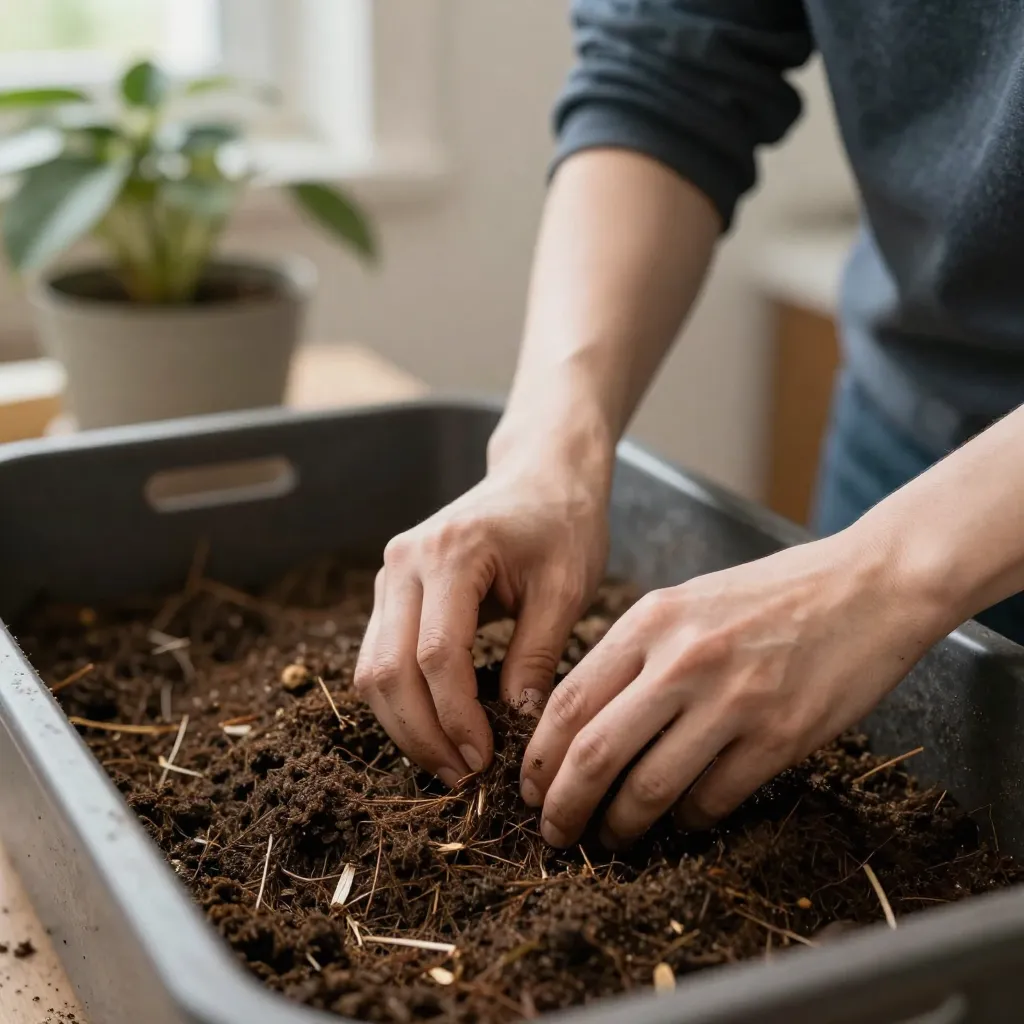
The Invisible Architects

Beneath the surface of every composting system, an intricate network of microorganisms works tirelessly to transform organic matter. These invisible architects operate according to fundamental principles that govern decomposition, creating the foundation for successful composting.

Understanding these processes helps you create optimal conditions for decomposition, whether you're working with anaerobic systems like Bokashi or aerobic methods involving worms and oxygen-rich environments.

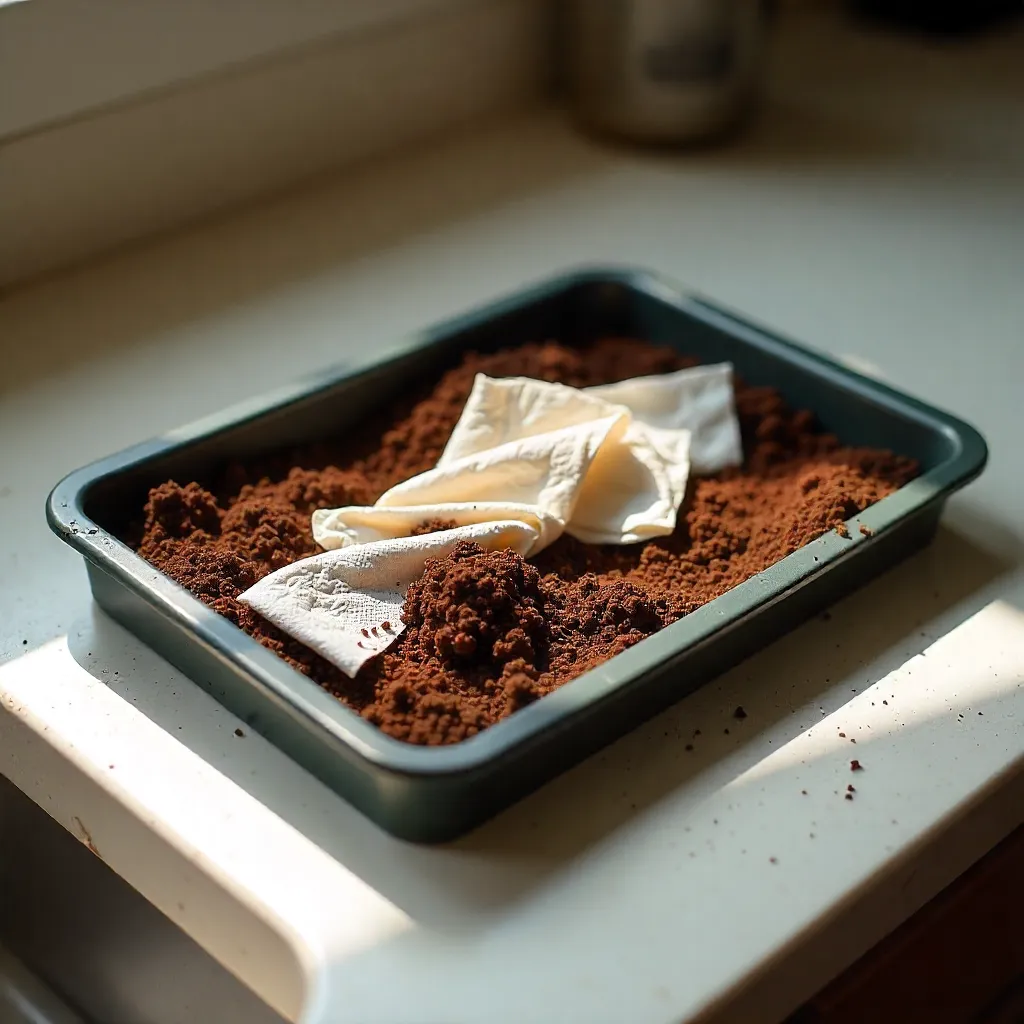
Natural decomposition process

Anaerobic vs Aerobic: The Fundamental Divide

The presence or absence of oxygen creates two distinct pathways for decomposition. Each pathway supports different microbial communities and produces different byproducts, making the choice between methods more than a matter of preference.

Process Comparison

Anaerobic (Bokashi)
Oxygen-Free Environment

Fermentation-based breakdown using specialized bacteria. Produces acidic environment that preserves nutrients while breaking down matter.

Aerobic (Worm)
Oxygen-Rich Environment

Oxidation-based breakdown using worms and aerobic bacteria. Produces neutral pH compost with active biological activity.

Temperature's Role in Molecular Breakdown

Temperature directly influences microbial activity rates. Warmer conditions accelerate enzymatic reactions, while cooler temperatures slow the process. This relationship allows you to control decomposition speed through temperature management.

Different temperature ranges favor different microbial communities. Mesophilic organisms thrive between 20-40°C, while thermophilic bacteria become active above 40°C, creating faster but more intensive decomposition phases.

Temperature Ranges

Cool (10-20°C)
Slow Decomposition

Ideal for maintaining stable conditions. Slower breakdown preserves more organic structure.

Moderate (20-40°C)
Optimal Range

Most indoor systems operate here. Balanced speed and stability.

Warm (40-60°C)
Rapid Breakdown

Faster decomposition but requires careful moisture management.

Moisture: The Medium of Transformation

Moisture content determines how easily microorganisms can access nutrients and move through organic matter. Too little moisture slows activity, while excess moisture creates anaerobic conditions and potential issues.

The ideal moisture level varies by method. Bokashi systems work with drier conditions due to their fermentation approach, while worm systems require consistent moisture to support worm activity and aerobic bacteria.

Moisture balance in composting

The Speed Equation

Decomposition speed results from the interaction of temperature, moisture, oxygen availability, and material composition. By understanding these relationships, you can predict and influence how quickly your system processes organic matter.

Small adjustments to any factor create cascading effects throughout the microbial community. This sensitivity makes composting both an art and a science, requiring observation and responsive management.

Explore Sensory Management

Privacy Notice

We use cookies to enhance your browsing experience and analyze site traffic. By continuing to use this site, you consent to our use of cookies.