The Nutrient-Dense Liquid

Many composting systems produce a valuable liquid byproduct that contains concentrated nutrients and beneficial microorganisms. This liquid, whether called compost tea or fermentation liquid, represents one of the most immediate benefits of indoor composting.

When properly harvested and applied, this liquid acts as a botanical serum, delivering nutrients directly to plant roots and supporting overall plant health. Understanding how to collect, dilute, and apply this liquid maximizes its benefits for your indoor tropical plants.
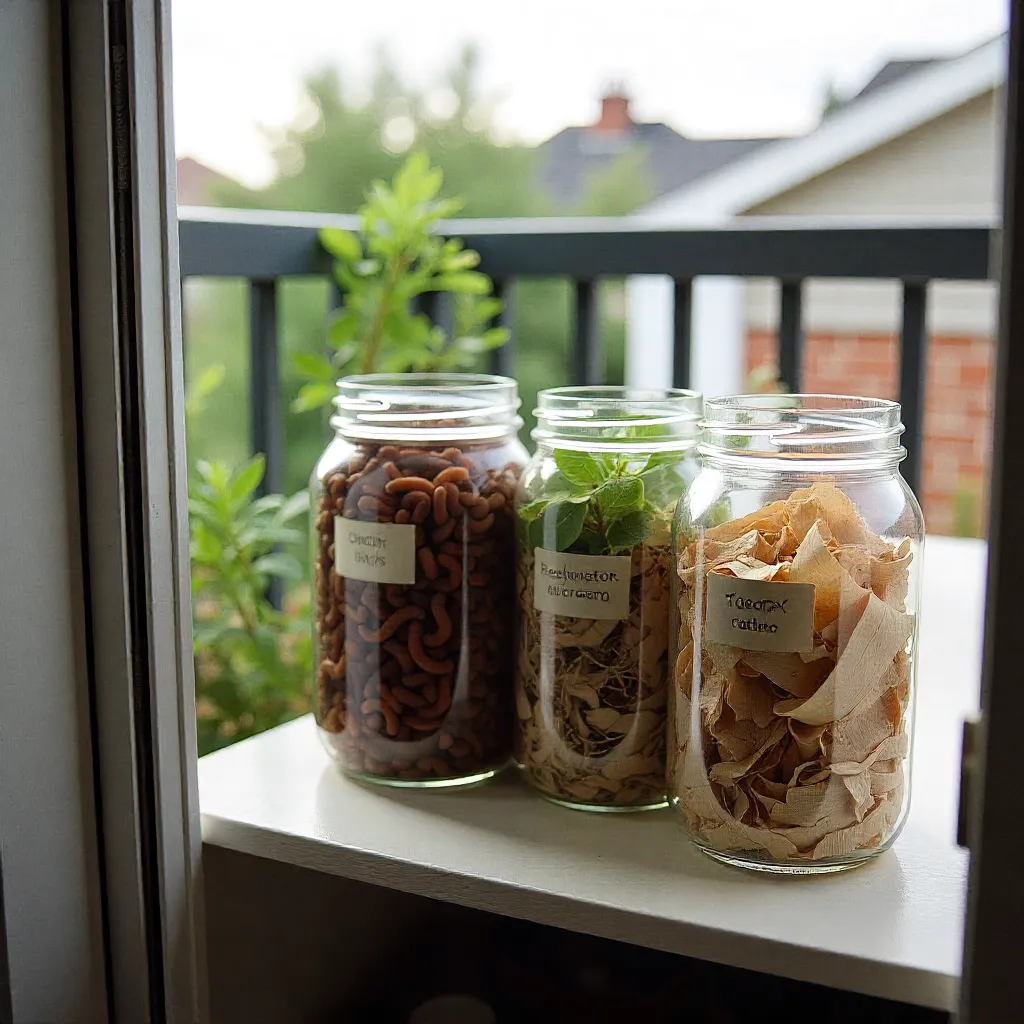
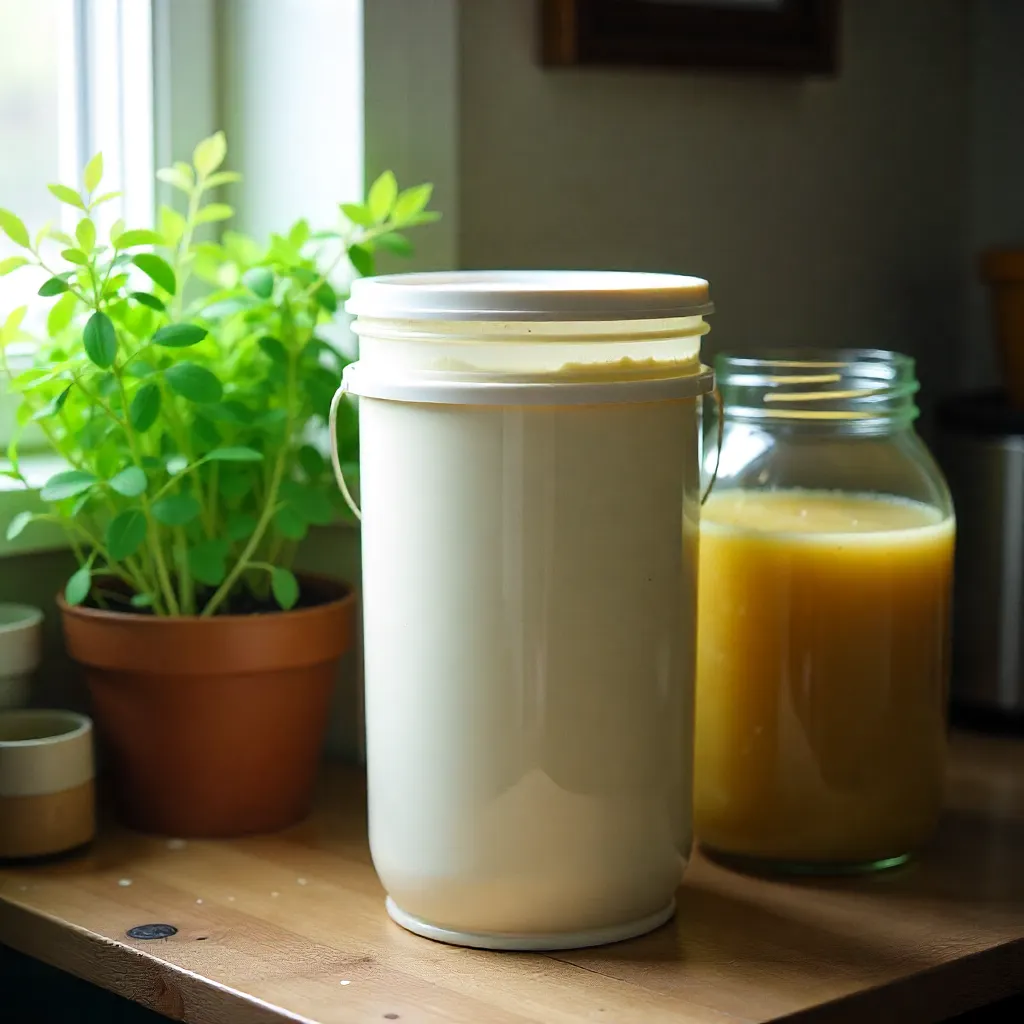
Liquid collection from composting system

Understanding Compost Tea

Compost tea is the liquid that drains from worm-based composting systems. This liquid contains soluble nutrients that have been extracted from decomposing organic matter, along with beneficial microorganisms that support plant growth.

The composition of compost tea varies based on what materials have been added to the system and how long decomposition has been occurring. Fresh tea tends to be more concentrated, while older tea may have different nutrient profiles as decomposition progresses.

Compost Tea Characteristics

Color
Dark Brown to Amber

Indicates concentration of dissolved organic matter.

Odor
Earthy, Slightly Sweet

Should not be unpleasant or sour.

pH
Neutral to Slightly Acidic

Generally safe for most indoor plants.

The Art of Dilution

Applying undiluted compost tea or fermentation liquid can overwhelm plants with nutrients or create conditions that harm roots. Dilution ensures that plants receive nutrients in concentrations they can effectively use.

The ideal dilution ratio depends on the strength of your liquid and the sensitivity of your plants. Start with more conservative dilutions and observe how your plants respond before increasing concentration.

Dilution Guidelines

Strong Solution
1:10 Ratio

One part liquid to ten parts water. For robust, established plants.

Standard Solution
1:20 Ratio

One part liquid to twenty parts water. Safe starting point for most plants.

Gentle Solution
1:30 Ratio

One part liquid to thirty parts water. For sensitive or young plants.

Application Methods

How you apply compost tea influences its effectiveness. Soil drenching delivers nutrients directly to roots, while foliar application can provide benefits through leaf absorption. Each method has advantages depending on your goals.

For indoor tropical plants, soil application is generally most effective, as it supports root development and nutrient uptake. Apply during active growth periods when plants can most effectively use the nutrients.

Applying liquid fertilizer to plants

Frequency and Timing

Regular but not excessive application provides consistent nutrient support without overwhelming plants. Most indoor tropical plants benefit from monthly applications during growing seasons, with reduced frequency during dormant periods.

Observe your plants' responses to determine optimal frequency. Healthy growth, vibrant foliage, and strong root development indicate that your application schedule is working well.

Get Personalized Guidance

Privacy Notice

We use cookies to enhance your browsing experience and analyze site traffic. By continuing to use this site, you consent to our use of cookies.